


How to Choose a Reliable Robotic Gait Trainer Manufacturer?
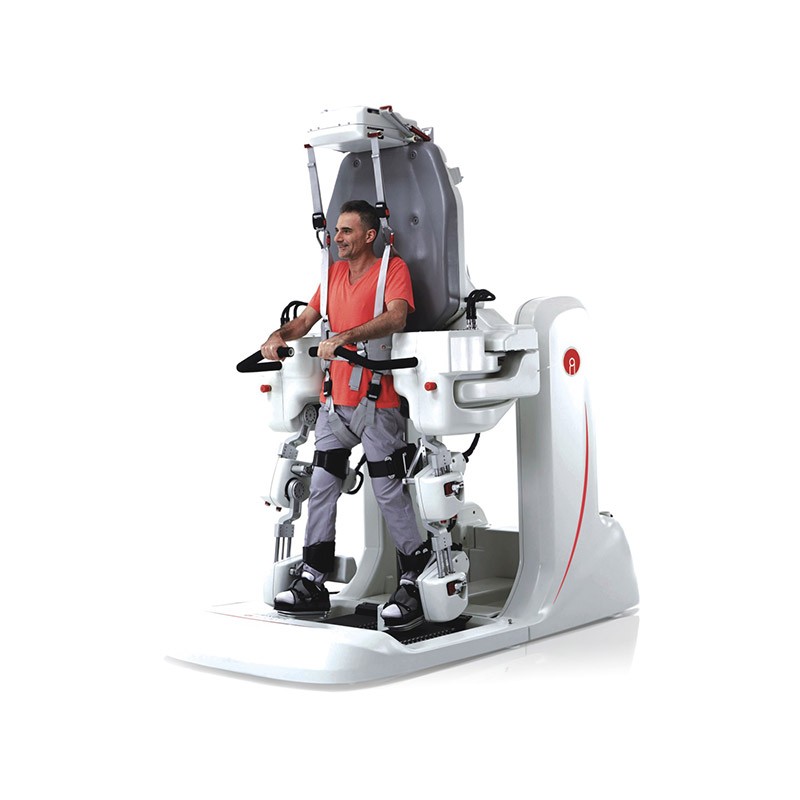
The demand for advanced rehabilitation equipment is growing as hospitals, rehabilitation centers, and healthcare institutions seek more effective ways to support patients with mobility impairments. Among these technologies, robotic gait trainers have become an important part of modern rehabilitation programs, helping therapists provide structured, repetitive, and adjustable gait training.
However, choosing the right robotic gait trainer manufacturer is not simply a matter of comparing equipment prices or product specifications. Buyers must also evaluate the manufacturer's technical capabilities, product safety, quality management systems, regulatory compliance, manufacturing experience, and after-sales support.
For hospitals, rehabilitation centers, and medical equipment distributors, working with a reliable manufacturer can help ensure long-term equipment performance, efficient clinical operations, and better investment value.
So, how can you identify a trustworthy robotic gait trainer manufacturer? This guide outlines seven essential factors to consider before making a purchasing decision.
1. Understand Your Rehabilitation Requirements Before Choosing a Manufacturer
Before contacting a robotic gait trainer supplier, buyers should clearly define their facility's rehabilitation requirements. Different healthcare institutions serve different patient populations and rehabilitation needs, so the selected equipment should match the intended applications.
Identify Your Target Patient Groups
Robotic gait training equipment is designed to support structured walking and lower-limb rehabilitation. Depending on the product's intended use and clinical indications, potential patient groups may include:
Stroke Rehabilitation Patients: Individuals experiencing walking difficulties or impaired lower-limb movement following a stroke.
Patients with Spinal Cord Injuries: Individuals who require structured rehabilitation and gait-related training under professional supervision.
Patients with Neurological Disorders: People experiencing movement and coordination difficulties associated with neurological conditions.
Patients Recovering from Lower-Limb Injuries: Individuals who need progressive walking and movement rehabilitation.
Patients with Mobility Impairments: Individuals who require assisted gait practice as part of a rehabilitation program.
When evaluating a robotic gait trainer manufacturer, ask whether its equipment is designed for your target patient groups and whether the manufacturer can provide relevant clinical documentation and intended-use information.
Define Your Rehabilitation Training Goals
Different rehabilitation programs require different training functions. Before purchasing equipment, consider whether your facility needs:
Gait pattern training
Lower-limb movement training
Body weight-supported walking
Balance and coordination exercises
Repetitive gait practice
Active and assisted movement training
The manufacturer's available training modes, adjustment options, and technical configurations should align with your rehabilitation objectives.
Consider Your Facility's Requirements
Installation space and daily operating conditions are also important purchasing considerations. For example, a large hospital rehabilitation department may require multiple training devices and different equipment configurations, while a specialized rehabilitation clinic may prioritize compact equipment with flexible adjustment functions.
A professional manufacturer should be able to provide equipment dimensions, installation requirements, power specifications, and configuration recommendations before the purchase.
2. Evaluate the Manufacturer's Technical Capabilities
Technical capability is one of the most important factors when selecting a robotic gait trainer manufacturer. Buyers should look beyond product appearance and examine the actual technologies, control systems, and safety mechanisms integrated into the equipment.
Robotic Assistance and Motion Control Technology
A robotic gait trainer should provide controlled and adjustable assistance during gait rehabilitation. Depending on the system design, relevant technical features may include:
Robotic assistance mechanisms
Programmable movement patterns
Adjustable gait training parameters
Real-time movement monitoring
Flexible training intensity settings
Buyers should ask manufacturers to explain how the robotic assistance system works and whether training parameters can be adjusted according to individual rehabilitation requirements.
Patient Support and Safety Systems
Patient safety should be a primary consideration when purchasing robotic gait rehabilitation equipment.
Important features to evaluate include:
Adjustable body weight support systems
Secure patient harnesses
Stable patient positioning structures
Emergency stop functions
Mechanical protection mechanisms
Clearly defined patient weight and height limits
A reliable manufacturer should provide detailed safety documentation and demonstrate how the equipment protects patients during operation.
Training Modes and Customization Options
Different patients may require different levels of assistance during rehabilitation. Therefore, buyers should evaluate the available training modes and adjustment capabilities.
| Training Mode | Description |
|---|---|
| Passive Training | The system guides movement according to programmed settings. |
| Active Training | Patients actively participate in movement exercises. |
| Active-Assisted Training | The equipment provides assistance when patients need support. |
| Adjustable Gait Training | Training parameters can be modified according to rehabilitation requirements. |
Not every robotic gait trainer supports all these modes. Buyers should verify the actual functions available on each model.
Software and Training Data Management
Modern rehabilitation equipment may incorporate software systems to help therapists configure training sessions and monitor progress.
When comparing manufacturers, consider whether their systems support:
Training parameter configuration
Session data recording
Patient training history
Progress monitoring
User-friendly operating interfaces
Data export or reporting functions
These capabilities can help rehabilitation professionals manage training sessions and document patient progress more efficiently.
Compare Technical Specifications Carefully
Technical specifications provide an objective basis for comparing different robotic gait training systems. The following table outlines key parameters buyers should request from manufacturers.
| Technical Specification | What Buyers Should Check |
|---|---|
| Maximum Patient Weight | Maximum supported patient weight |
| Applicable Patient Height | Supported patient height range |
| Training Speed | Available walking speed and adjustment range |
| Body Weight Support | Support capacity and adjustment method |
| Training Modes | Passive, active, or assisted functions |
| Safety System | Emergency stop and mechanical protection |
| Power Supply | Voltage and frequency requirements |
| Equipment Dimensions | Required installation space |
| Software Functions | Training configuration and data management |
Do not evaluate equipment based on a single specification. A suitable robotic gait trainer should provide an appropriate combination of technical performance, patient safety, operational flexibility, and ease of use.
Looking for Robotic Gait Training Equipment?
Explore QianJing's gait training product range and learn more about available rehabilitation equipment solutions.
Explore Robotic Gait Trainers3. Check Certifications, Quality Management, and Manufacturing Standards
For international medical equipment buyers, regulatory compliance and product quality are essential considerations.
A reliable robotic gait trainer manufacturer should be able to explain the regulatory status of its products and provide supporting documentation for the target market.
Verify Medical Device Certifications
Different countries and regions have different medical device regulatory requirements. Before placing an order, buyers should verify the applicable certifications and registrations.
Common documents and qualifications to review include:
CE Marking: Verify whether the specific product is eligible for CE marking under applicable European medical device regulations.
ISO 13485: A quality management system standard specifically designed for medical device organizations.
Electrical Safety Test Reports: Relevant electrical safety documentation for the product.
EMC Test Reports: Evidence of electromagnetic compatibility testing, where applicable.
Medical Device Registration: Relevant registration or market authorization required in the destination country.
It is important to distinguish between company-level quality management certification and product-level regulatory approval. ISO 13485 certification alone does not mean that every product has received market authorization.
Evaluate Manufacturing and Quality Control Processes
A professional manufacturer should maintain consistent quality control throughout the production process.
Raw Material Inspection: Are key materials and components inspected before production?
Component Quality Control: Are motors, sensors, electronic components, and mechanical parts tested?
Assembly Management: Are standardized manufacturing and assembly procedures followed?
Functional Testing: Does every finished unit undergo operational testing?
Final Inspection: Are product performance, safety functions, and appearance checked before shipment?
Manufacturers with documented quality management processes are generally better positioned to maintain product consistency and support long-term cooperation.
Request Supporting Documentation
Before purchasing, ask the supplier to provide relevant technical and compliance documents, including:
Product technical specifications
Applicable certificates and declarations
Product inspection reports
User manuals
Installation instructions
Warranty documentation
Maintenance guidelines
Reviewing these materials helps buyers assess whether the equipment meets their technical and regulatory requirements.
4. Examine the Manufacturer's Industry Experience and Product Portfolio
A manufacturer's industry experience can provide useful insight into its ability to develop, produce, and support rehabilitation equipment.
However, years in business alone are not enough. Buyers should also examine its product specialization, research and development capabilities, manufacturing resources, and actual project experience.
Evaluate Experience in Rehabilitation Equipment Manufacturing
A manufacturer specializing in rehabilitation equipment may have a better understanding of the technical and operational requirements of hospitals and rehabilitation centers.
When evaluating a supplier, consider:
Years of experience in the rehabilitation equipment industry
Research and development capabilities
Technical personnel and engineering resources
Manufacturing facilities
Product development history
Quality management procedures
Ask for company information and supporting evidence rather than relying only on marketing statements.
Review the Manufacturer's Product Portfolio
A comprehensive product portfolio can be particularly valuable for hospitals and rehabilitation centers planning to purchase multiple types of equipment.
| Product Category | Main Applications |
|---|---|
| Robotic Gait Trainers | Assisted gait and walking rehabilitation |
| Body Weight Support Systems | Supported walking and movement training |
| Physical Therapy Equipment | Physical rehabilitation and therapy programs |
| Rehabilitation Assessment Equipment | Functional assessment and progress evaluation |
| Occupational Therapy Equipment | Functional movement and daily activity training |
A supplier with multiple related product categories may also help buyers coordinate equipment selection for different rehabilitation departments.
Ask for Real Project References
Actual project experience is another important factor when selecting a robotic gait trainer manufacturer.
Buyers can request:
Hospital installation cases
Rehabilitation center project references
Product demonstration videos
Equipment commissioning records
Customer feedback
References from previous international projects
These materials help buyers understand how the equipment is used in real working environments.
5. Compare After-Sales Service, Installation, and Technical Support
Robotic gait trainers are sophisticated rehabilitation devices that require proper installation, operation, and maintenance. Therefore, after-sales service should be considered before signing a purchasing agreement.
A manufacturer that provides clear technical support procedures can help reduce operational disruptions and improve the long-term value of the equipment.
Installation and Commissioning Support
Before purchasing, confirm whether the manufacturer provides:
Installation instructions
Equipment commissioning guidance
Site preparation requirements
Remote installation support
On-site technical assistance, if available
For large rehabilitation projects, installation planning should be discussed during the initial procurement stage.
Operator Training
Healthcare professionals need to understand how to operate the equipment safely and configure training programs correctly.
Ask whether the manufacturer provides:
Equipment operation training
Safety operation instructions
Training mode explanations
Routine maintenance guidance
User manuals and instructional videos
Training arrangements should be clearly defined in the purchasing agreement.
Warranty and Spare Parts Availability
Long-term equipment operation depends on the availability of maintenance services and replacement components.
| Service Item | Questions to Ask |
|---|---|
| Warranty | What is the warranty period and coverage? |
| Spare Parts | Are replacement components readily available? |
| Maintenance | Are preventive maintenance services provided? |
| Technical Support | Is remote technical assistance available? |
| Software Updates | Are software updates included or charged separately? |
| Service Response | What is the manufacturer's response procedure? |
For overseas buyers, also confirm whether technical support is available across different time zones and how spare parts are shipped internationally.
6. Evaluate Pricing, Customization, and Total Cost of Ownership
Price is an important factor in medical equipment procurement, but the lowest initial quotation does not necessarily represent the best purchasing decision.
Hospitals and rehabilitation centers should evaluate the total cost of ownership (TCO), including equipment acquisition, installation, operation, maintenance, and potential upgrades.
Compare Equipment Prices and Configurations
When requesting quotations from different robotic gait trainer manufacturers, make sure that the proposed configurations are comparable.
A complete quotation should clarify:
Standard equipment configuration
Included accessories
Optional functions
Software features
Installation and commissioning costs
Transportation and packaging costs
Warranty coverage
Without a detailed configuration breakdown, it can be difficult to make a meaningful price comparison.
Check Customization Capabilities
Different rehabilitation facilities may have different equipment requirements.
For example, a hospital may need specific equipment dimensions to fit an existing rehabilitation room, while a rehabilitation center may require particular training configurations or accessories.
Ask whether the manufacturer can provide customization or configuration options based on:
Facility space and layout
Patient size requirements
Training program requirements
Equipment configuration preferences
Local electrical standards
Not all manufacturers offer the same level of customization, so available options should be confirmed in advance.
Calculate the Total Cost of Ownership
A comprehensive purchasing evaluation should include the following costs:
| Cost Component | Considerations |
|---|---|
| Initial Purchase | Equipment price and configuration |
| Installation | Setup and commissioning expenses |
| Training | Operator and technical training |
| Maintenance | Routine servicing and inspection |
| Spare Parts | Replacement components |
| Software | Updates and additional functions |
| Logistics | International shipping and transportation |
A manufacturer that provides transparent pricing, clear warranty terms, and dependable technical support may offer better long-term value than a supplier with a lower initial quotation but limited service capabilities.
Need Technical Specifications for Your Project?
Contact QianJing Rehabilitation to discuss your product requirements and explore suitable gait training solutions.
Request Technical Specifications7. Why Consider QianJing Rehabilitation as Your Robotic Gait Trainer Manufacturer?
When evaluating rehabilitation equipment manufacturers in China, buyers should consider companies with established experience, relevant product portfolios, and the ability to support different rehabilitation equipment requirements.
QianJing Rehabilitation, operated by Changzhou Qian Jing Rehabilitation Co., LTD., has been engaged in the rehabilitation equipment industry since 1996.
The company provides rehabilitation equipment solutions for healthcare and rehabilitation applications, with product categories covering gait training, physical therapy, rehabilitation assessment, and other rehabilitation-related equipment.
Experience in Rehabilitation Equipment
With a business history dating back to 1996, QianJing Rehabilitation has developed a product portfolio focused on rehabilitation equipment and related applications.
For hospitals, rehabilitation centers, and medical equipment distributors, working with a specialized rehabilitation equipment manufacturer can help simplify product evaluation and equipment selection.
Robotic Gait Training Solutions
QianJing offers robotic gait training products, including the Flexbot-S and Flexbot-U models.
Flexbot-S Robotic Gait Trainer
Designed for robotic-assisted gait rehabilitation applications. Buyers can consult QianJing for its detailed configuration, operating functions, technical specifications, and applicable patient requirements.
Explore Gait Training Products →Flexbot-U Robotic Gait Trainer
Another model in QianJing's gait training product portfolio. Contact the manufacturer to compare its technical configuration and functions with other available models.
View Product Information →For buyers comparing different gait training systems, requesting product specifications and a model comparison can help determine which solution is more suitable for their facility.
Comprehensive Rehabilitation Equipment Portfolio
In addition to robotic gait training equipment, QianJing provides products for different rehabilitation applications.
This broader product portfolio can be useful for healthcare institutions planning to establish or upgrade rehabilitation departments.
Instead of sourcing every equipment category from a different supplier, buyers can explore whether multiple equipment requirements can be coordinated through one rehabilitation equipment provider.
Support for International Buyers
When purchasing rehabilitation equipment from China, international buyers should evaluate the manufacturer's communication, documentation, logistics, and technical support capabilities.
Before placing an order, buyers are encouraged to contact QianJing to confirm:
Available product models and configurations
Technical specifications and product documentation
Applicable certifications
Installation and operator training arrangements
Warranty and spare parts policies
International shipping and delivery arrangements
For hospitals, rehabilitation centers, and medical equipment distributors, these details are important when evaluating a long-term manufacturing partner.
8. Checklist: 10 Questions to Ask Before Selecting a Robotic Gait Trainer Supplier
Before making a final purchasing decision, hospitals and rehabilitation equipment distributors should conduct a structured supplier evaluation.
The following checklist can help buyers compare manufacturers more efficiently.
| No. | Evaluation Question |
|---|---|
| 1 | How many years of experience does the manufacturer have in rehabilitation equipment? |
| 2 | Does the company specialize in robotic gait training equipment? |
| 3 | What robotic assistance and motion control technologies are available? |
| 4 | Which patient groups and rehabilitation applications is the equipment designed for? |
| 5 | What patient safety mechanisms are integrated into the system? |
| 6 | Can the manufacturer provide detailed technical specifications? |
| 7 | What product certifications and quality documents are available? |
| 8 | Does the manufacturer provide installation and operator training? |
| 9 | What warranty, maintenance, and spare parts services are offered? |
| 10 | Can the manufacturer provide real project references or product demonstrations? |
A supplier that can provide clear answers and supporting documentation is easier to evaluate than one that relies primarily on general marketing claims.
Conclusion: Choose a Manufacturer That Supports Long-Term Rehabilitation Needs
Selecting a reliable robotic gait trainer manufacturer requires a comprehensive evaluation of technical capabilities, product safety, quality management, regulatory compliance, manufacturing experience, and after-sales support.
For hospitals and rehabilitation centers, the right equipment should not only meet current training requirements but also support long-term operational needs.
Before making a purchasing decision, buyers should:
Define their rehabilitation applications and target patient groups.
Compare robotic assistance technologies and technical specifications.
Verify product certifications and quality documentation.
Evaluate manufacturing experience and project references.
Confirm installation, training, warranty, and maintenance services.
Compare total ownership costs rather than focusing only on initial prices.
If you are planning to purchase robotic gait training equipment for a hospital, rehabilitation center, or medical equipment distribution business, QianJing Rehabilitation can be one of the manufacturers to consider during your supplier evaluation.
Contact the QianJing team to discuss your product requirements, request technical specifications, and explore suitable robotic gait training solutions for your rehabilitation project.
Discuss Your Rehabilitation Equipment Project with QianJing
Whether you are equipping a new rehabilitation center or upgrading an existing hospital department, share your project requirements to explore suitable equipment options.
Get a QuoteExplore Our ProductsFrequently Asked Questions
1. What should I look for in a robotic gait trainer manufacturer?
Look for a manufacturer with relevant rehabilitation equipment experience, reliable technical capabilities, documented quality management, applicable product certifications, comprehensive safety features, and dependable after-sales support.
2. What certifications should a robotic gait trainer have?
Requirements depend on the destination market and the product's regulatory classification. Buyers should verify applicable medical device registrations, CE conformity where relevant, ISO 13485 quality management certification, and supporting electrical safety and EMC documentation.
3. How do I compare different robotic gait training systems?
Compare patient weight capacity, supported patient height, training speed, body weight support, available training modes, safety mechanisms, software functions, equipment dimensions, and after-sales services.
4. Are robotic gait trainers suitable for stroke rehabilitation?
Some robotic gait trainers are designed to support gait rehabilitation programs for selected stroke patients. Suitability depends on the patient's clinical condition, device indications, and assessment by qualified healthcare professionals.
5. What is the difference between a robotic gait trainer and a body weight support treadmill?
A robotic gait trainer may use robotic mechanisms to assist or guide lower-limb movement during walking practice. A body weight support treadmill primarily uses a support system to reduce the weight borne by the patient during treadmill training. Some systems combine both technologies.
6. Can robotic gait training equipment be customized?
Some manufacturers offer different equipment configurations, adjustment options, and accessories. Buyers should confirm the available customization options, technical limitations, and additional costs directly with the manufacturer.
7. Why is after-sales service important when purchasing robotic gait trainers?
Robotic gait trainers involve mechanical, electrical, and software components. Proper installation, operator training, routine maintenance, spare parts availability, and technical support are important for maintaining equipment performance over time.

