


What is a robotic gait trainer and how it works
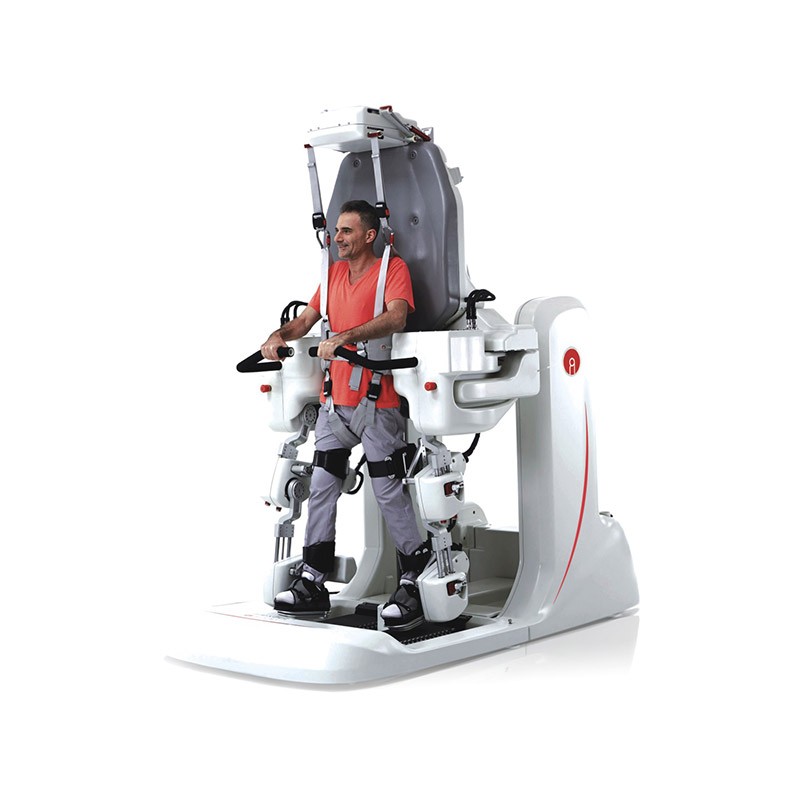
A robotic gait trainer is a high-tech tool used in physical therapy. Doctors use this modern equipment to help patients learn to walk again safely. The machine pairs powered leg frames with a special harness that lifts your body weight. These helpful features lessen the physical stress on your body while you practice walking.
The device gently moves your legs through natural walking paths. Electric motors guide your joints in exact motions to rebuild proper movement habits. Doing these steps over and over helps the brain adapt and rewire itself. Built-in sensors show live updates on a screen during each practice session. This instant information helps your nervous system relearn normal walking skills much faster.
Key Takeaways
Robotic gait trainers use motorized leg braces and support belts to help patients practice walking safely after bad injuries.
Electric leg motors guide your legs in normal walking movements to rebuild brain pathways and make healing faster.
Inside sensors show real-time feedback and fun virtual games to help your brain stay engaged while you practice walking.
Robotic machines record exact movement information while lowering physical stress for therapists when compared with standard hands-on care.
What Is a Robotic Gait Trainer?
Core Components and Exoskeleton Structure
A robotic gait trainer uses clever hardware and fast software to help you move again. The physical unit connects dynamic body-weight support with computerized leg exoskeletons over a smart treadmill. Important physical parts include a touchscreen controller, powered leg braces, a sturdy frame, and tracking sensors.
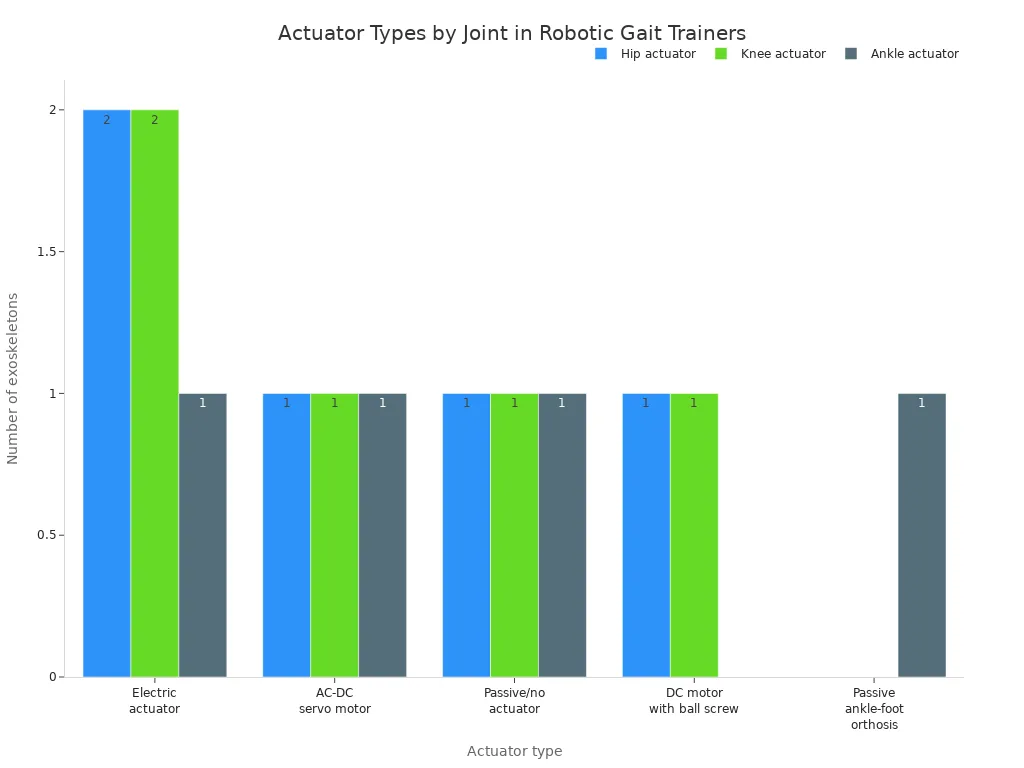
The motorized joints move your legs through steady steps. Different companies build these robotic legs using distinct motor styles to keep you safe.
Exoskeleton | Hip actuator | Knee actuator | Ankle actuator |
|---|---|---|---|
Lokomat | DC motor with ball screw | DC motor with ball screw | Passive ankle-foot orthosis with plantar flexion stop spring |
ReoAmbulator | Electric actuator | Electric actuator | Not reported in source |
Walkbot | AC-DC servo motor | AC-DC servo motor | AC-DC servo motor |
MRG-P110 | Electric actuator | Electric actuator | Electric actuator |
Gait simulator | Passive/no actuator | Passive/no actuator | Passive/no actuator |
During practice, the moving harness holds up a set amount of your weight. You stand tall while the machine gives steady vertical lifting support. Therapists change your body-weight support level using a screen as your legs grow stronger.
Target Conditions and Qian Jing Flexbot-S Application
Qian Jing designed the Flexbot-S system to offer complete walking therapy. This flexible machine guides your healing from early bed rest up to tough standing workouts. Built-in hoist parts move you safely from your bed right into the machine. You can start early walking drills before you develop full balance.
This high-tech gear helps you recover from major nervous system injuries. The device actively treats movement problems caused by stroke, spinal cord injury, brain damage, and bone surgeries. Custom leg frames guide your hips, knees, and ankles through natural steps. These repeated movements rebuild healthy nerve pathways and speed up your overall recovery time.
How a Robotic Gait Trainer Works
Motorized Joint Drive and Natural Trajectories
Electric motors power the leg joints in a modern robotic gait trainer. The motors push your hips, knees, and ankles through smooth steps. A smart system guides your legs along normal human walking paths. You can practice real walking moves while the harness safely lifts your weight.
The Qian Jing Flexbot-U system provides smart control for your physical recovery. Many basic devices move your entire leg as one stiff piece. Flexbot-U changes this method by using separate joint drives.
Separate motors move your hip, knee, and ankle joints on their own.
Therapists change walking settings like leg angles, speed, and helper force.
Custom joint settings help fix exact problems like foot drop or a stiff knee.
You learn normal stepping habits again as the machine moves each joint with custom power. Therapists raise the workout level as your legs get stronger.
Biofeedback, 3D Virtual Reality, and Neuroplasticity
Sensors track your exact steps during every walking session. A large monitor displays your step size, posture, and weight balance right away. Fun 3D virtual reality games show how your legs are moving. You can walk through virtual spaces while software tracks your true physical effort.
This smart design links your body moves to brain retraining using clear steps:
Smart programs update the virtual scenery whenever your body leans or sways.
Motors and screen clues correct your leg spot the moment you make mistakes.
Mixed feedback pairs physical support with bright sight cues to keep your brain alert.
Harder tasks appear over time to boost long-term motor skills for daily walking.
Mental focus speeds up brain healing in your injured nerve areas. This repeated practice builds healthy connections between your brain and working muscles. You gain better balance, stronger control, and fresh confidence for walking on your own.
Robotic Gait Trainers vs. Traditional Walking Aids
Precision Motor Control vs. Manual Assistance
Old-style walking practice relies a lot on manual physical therapy. Therapists must move your legs by hand during typical sessions. This hard physical work often tires out the medical staff fast. Because of this, you might practice far fewer steps during one workout.
Robotic machines improve this process by doing all the heavy lifting. A robotic gait trainer offers smooth motorized power for every single step.
Old manual walking help requires major physical work and lacks precise joint control, which makes it harder for people with severe movement trouble.
Smart robotic systems handle the tough physical work, so therapists avoid painful strain and do not get tired as quickly.
Aspect | TEPI Robotic Intervention | Conventional Therapist-Guided Training |
|---|---|---|
Study participants | Eight stroke survivors | Eight stroke survivors |
Joint motion | Greater joint range of motion | Lower joint range of motion |
Step pattern | Longer and higher steps | Shorter and lower steps |
Muscle activation | Similar muscle activation | Similar muscle activation |
Patient motivation | High motivation and enjoyment | Standard motivation level |
Your therapist spends much less energy moving your heavy limbs. Instead, they can focus completely on guiding your posture and form.
Quantitative Evaluation and Objective Data Tracking
Standard walking aids cannot track your exact movement numbers accurately. Physical therapists have to guess your physical growth just by watching you walk. Human eyes can easily miss small leg improvements during regular weekly visits.
Modern robotic setups remove any guessing by gathering precise movement data constantly. Built-in sensors measure your total effort during every single minute of walking. These high-tech devices display your step balance, stance time, and swing ratios right away on screen.
Smart evaluation software creates helpful progress reports as soon as practice ends. The system tracks your joint strength gains over long periods of time. You can view easy-to-read charts that show your true muscle power.
These accurate numbers help your medical team tweak training difficulty levels correctly. Clear visual charts boost your confidence by showing your steady physical gains as you heal.
A robotic gait trainer combines smart robotics, brain science, and live feedback to transform modern physical therapy. Advanced devices like the Qian Jing Flexbot systems support you through every recovery stage. You can begin therapy with early bedridden movements and advance safely toward independent walking.
Data-driven technology boosts clinical efficiency while restoring your personal mobility. Automated devices handle repetitive physical work during your practice. Because of this support, 1 therapist can supervise 3 patients simultaneously instead of 1. A clinician spends only 15 minutes of direct time per 45-minute session with you. This modern approach helps you rebuild walking skills faster while maximizing hospital resources.
FAQ
What health conditions can you treat with a robotic gait trainer?
This machine helps people recovering from stroke, spinal cord injury, traumatic brain injury, cerebral palsy, and bone surgeries. The robotic gait trainer gently moves your legs through normal walking steps. This steady practice helps your brain relearn movement and brings back your walking ability safely.
Can you use a robotic gait trainer while still bedridden?
Yes, you can! The Qian Jing Flexbot-S has a special setting made for early bed rest. You can begin walking practice right from your hospital bed before you are able to sit or stand by yourself.
How does the Qian Jing Flexbot-U target specific movement deficits?
The Flexbot-U gives separate control for your hip, knee, and ankle joints. Basic machines move your whole leg as one solid piece. With this setup, your therapist can adjust exact power levels and angles for each joint to fix problems like foot drop.
What patient height and weight capacity do Flexbot systems support?
Flexbot systems can safely hold patients who weigh up to 135 kg. The adjustable outer frame also shifts easily to fit user heights from 150 cm to 190 cm tall. The moving harness protects you and holds you steady during every practice session.

