


What are parallel bars in physical therapy?

You use physical therapy parallel bars as basic equipment to start moving early after an injury. These rehabilitation parallel bars build stability, balance, and movement during walking training for recovering patients. Older patients practice safe walking while one patient gains strength and another patient builds confidence. QianJing crafts dependable global solutions.
Key Takeaways
Rehabilitation parallel bars help recovering patients practice walking safely while rebuilding important balance and leg strength.
Adjustable physical therapy bars let therapists change the height and width for any person's body size.
Doing routine balance training between strong parallel bars helps prevent dangerous falls and boosts your confidence while walking.
The role of rehabilitation parallel bars in physical therapy
Facilitating gait training and mobility re-education
Rehabilitation parallel barscreate a safe, supportive space for early walking practice in modern clinics. When recovering from a serious leg injury, your brain must rebuild damaged nerve paths through guided movement practice. You practice standing balance, weight shifting, side stepping, and turning between these sturdy side rails. These simple exercises train your muscles to work together correctly again. A skilled physical therapist carefully guides each movement to fix uneven walking steps during early recovery stages.
Therapists often use portable parallel bars in daily exercise programs to speed up healing across various medical care settings. Early moving exercises help every patient rebuild key brain signals safely, smoothly, and quickly. Strong metal handrails give steady physical support throughout each active therapy workout. Regular daily practice helps you rebuild smooth coordination over time. You build needed physical confidence while learning proper step control under direct expert supervision.
Therapists rated portable parallel bars 5.5 out of 6 for safety, ease of use, and recovery success in early clinical tests.
Bedside portable parallel bars remove hard patient moves to therapy gyms, greatly reducing back injury risks for healthcare staff.
Sturdy equipment lets patients practice strength movements on their own while easing anxiety, boosting personal dignity, and inspiring hope.
Supporting balance development and weight-bearing
Body weight support helps people during step-by-step leg weight-bearing workouts. Stroke, post-surgery, paralyzed, and heavy patients need strong upright stability when first learning to stand again. You hold the strong rails tightly to work on posture, core strength, hip alignment, and still balance skills. Slowly adding weight builds strong bone density and restores weak leg joint strength. This controlled exercise space protects every healing patient from scary fall risks and sudden loss of balance.
Rehabilitation parallel bars improve daily patient care standards across medical facilities globally. Patients practice early standing without placing heavy physical strain or lifting risks on nursing staff. Rather than leaning heavily on a nurse, each patient supports their own leg weight safely during routine therapy tasks. This freedom encourages a positive mental attitude toward healing.
Good walking practice boosts lower body strength, joint movement, heart health, active body coordination, and walking speed. Recovering patients regain natural walking steps through steady daily practice and smooth resistance work. Specialized bar equipment smoothly bridges the gap between total bed rest and walking alone. QianJing builds quality medical gear to meet growing recovery needs, streamline clinic routines, and improve global patient mobility in modern hospitals.
Key features of QianJing Parallel Bars for Physical Therapy
Adjustable design for customized patient rehabilitation
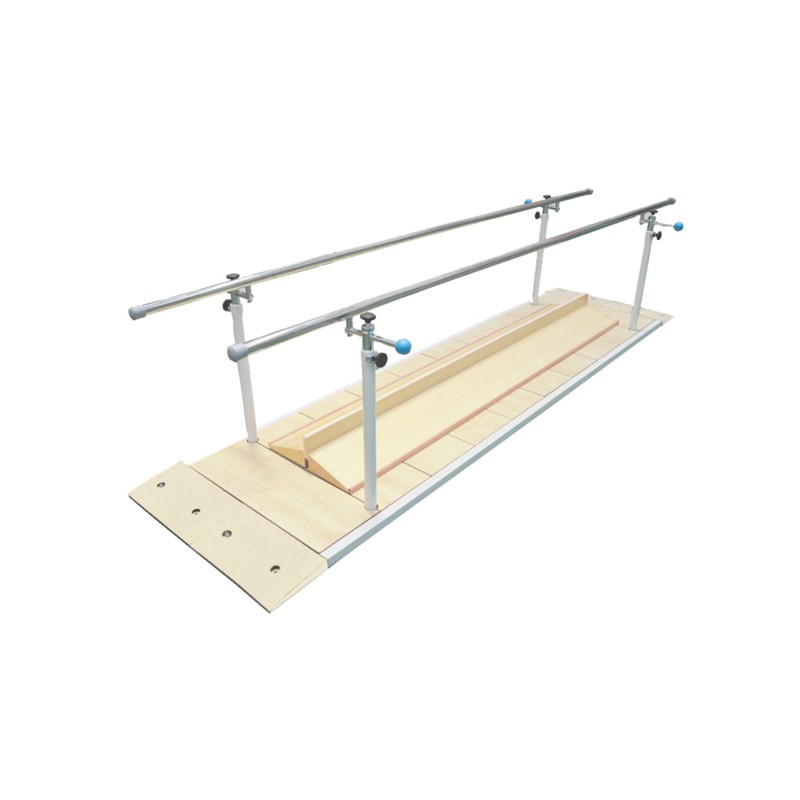
You can see how QianJing Parallel Bars for Physical Therapy G-PXG-09 improve rehab work in healthcare places today. This strong gear uses a solid steel base to handle tough daily workouts easily. Physical therapists shift height choices from 26 to 41 inches with sliding metal posts. You may also shift width settings from 16 to 28 inches for any body size. These handy adjustments allow every patient to practice walking exercises using great posture.
Nurses usually select portable parallel bars for helpful exercise steps across many patient rooms. Portable parallel bars let workers set up training fast for special healing plans. Moving parts help a healing patient regain leg power with true safety. Portable parallel bars deliver organized activity choices right to a resting patient. This smart design improves total user care during early healing stages.
Medical-grade stability and ergonomic safety
You require full trust while walking inside solid parallel bars during tough step drills. QianJing G-PXG-09 rehabilitation parallel bars offer smooth 1.5-inch thick steel handrails with comfortable grip covers. Extra support beams along the floor stop shaking under heavy loads. Simple locking pins and tight knobs hold every height change safely. This sturdy frame layout cuts fall chances while people try standing skills.
Safe gear lets nervous patients pay attention to fixing their normal walking patterns. You grab the firm handrails on these portable parallel bars to stay standing without tipping over. These parallel bars offer steady help as patients gain personal strength one step at a time. Good equipment turns routine physical therapy into a secure healing journey.
Common exercises using parallel bars for recovery
Standing balance and weight-shifting routines
You build upright power with early moving routines inside these parallel bars. Your physical therapist shows you targeted balance drills to regain one-leg stability and leg strength. Grabbing the solid rails gives a patient firm hand support while practicing standing exercises. Clinics rely on portable parallel bars to deliver clear care right to patient rooms.
Exercise | Category |
|---|---|
Mini squats | Lower-extremity exercise |
Standing hip flexion | Lower-extremity exercise |
Standing leg raises | Lower-extremity exercise |
Heel raises | Lower-extremity exercise |
Toe raises | Lower-extremity exercise |
Heel-toe stance | Balance exercise |
Rehabilitation parallel bars supply a safe area for your daily standing practice. Doing these focus workouts within portable parallel bars brings back balance skills very quickly. Physical therapy teams deeply value tough recovery equipment.
Step training and progressive walking practice
Step drills help each patient find normal gait control in therapy workouts. You practice forward steps, heel-toe stance moves, and side stepping. Your physical therapist checks hip alignment throughout active physical movement sessions. These simple exercises rebuild key motor signals following a major leg injury.
Parallel-bar-supported balance exercise | Clinical outcomes relevant to fall prevention |
|---|---|
Single-leg standing with parallel-bar support | Improved single-leg stability, stronger ankle and hip muscles, and a measurable hold-time indicator for fall-risk screening. |
Perturbation-based balance/gait training with parallel-bar support | Better reactive stepping responses, motor planning, spatial awareness, and confidence in complex environments. |
Progressive gait training helps patients learn main mobility skills with total safety. Moving inside portable parallel bars readies every patient to start walking alone. Recovering patients finish basic exercises with direct help nearby. This early moving plan creates strong confidence for all patients.
Rehabilitation parallel bars bridge the gap between complete bed rest and unassisted walking. Medical-grade gear like the QianJing G-PXG-09 offers a patient dependable support during early moving practice. Every patient gains strong confidence. One patient practices safe movement steps. Recovering patients rebuild standing balance skills. Ask your physical therapist for physical therapy exercises to improve your mobility today!
FAQ
Who needs parallel bars for recovery?
Stroke survivors, older adults, and post-surgery patients practice with parallel bars to regain walking stability. Your physical therapist customizes these specific exercise routines to rebuild your leg power safely.
Can portable parallel bars adjust for different patients?
Yes. Therapists easily change height and width settings on portable parallel bars. This smart feature helps physical therapy gear fit your unique body shape and personal recovery plan.
Why do clinics use portable parallel bars during gait training?
Clinics rely on portable parallel bars to offer safe walking workouts anywhere. They allow you to practice standing balance without fall risks during your early movement drills.

