


Top 7 benefits of using overhead patient lifts in healthcare facilities
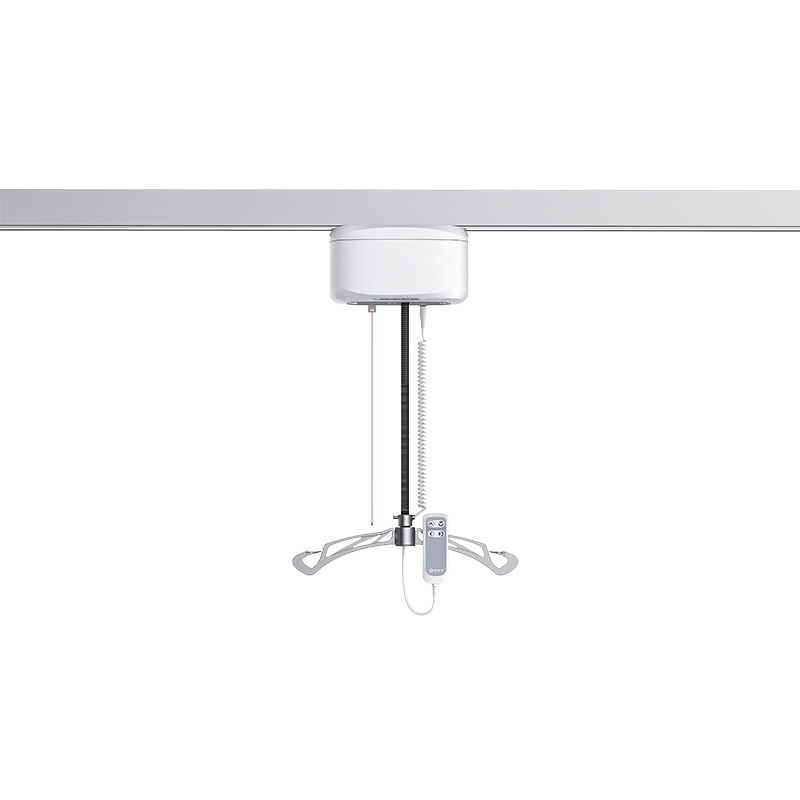
You can find seven big benefits when you use an overhead patient lift in a healthcare place:
You make patients safer and more comfortable every time you move them.
You help stop patients from falling and getting hurt.
You make it less likely for staff to get hurt or feel pain.
You help move patients faster.
You make more room for patient care.
You help patients do more things by themselves.
You help save money over time.
Studies show overhead patient lifts move patients faster and safer than floor lifts. Patients feel better and more at ease. Staff get hurt less often. You make healthcare work better and help patients get better results.
Key Takeaways
Overhead patient lifts make things safer. They help stop falls and injuries for patients and staff.
These lifts help move patients faster. Healthcare workers can help more patients in less time.
Overhead lifts help patients do more on their own. Patients can move easier and help with their care.
Patient Safety with Overhead Patient Lifts
Fall and Injury Prevention
It is important to keep patients safe when moving them. Overhead patient lift devices lower the chance of falls and injuries. These devices hold the patient’s body and stop sudden drops. You do not have to lift patients by hand, which can hurt workers’ backs. Many injuries happen when staff move patients without the right equipment. Overhead lifts and sling lifts help cut down these risks. You can use stationary overhead ceiling track lifts or electric patient lift equipment to make moves safer. These devices also help stop work injuries like muscle pain. Workers who use patient lift equipment get fewer strains and sprains. You keep both patients and caregivers safe with good patient handling.
Safety Tip: Always check the sling and equipment before you use it. This helps keep patients safe and comfortable.
Consistent and Safe Transfers
You want every patient move to be safe and steady. Overhead patient lift equipment gives you reliable results. These devices use ceiling tracks to move patients smoothly from bed to chair or bathroom. You can pick different sling types for each patient. This lets you do many transfer jobs with one system. In healthcare, staff move patients many times each day. Overhead lifts make this easy and safe. Workers feel less tired and enjoy their jobs more. Safe patient handling devices like sit-to-stand lifts and sling lifts help you follow safety rules. You can trust these devices to help patients move and feel comfortable. Overhead patient lift equipment makes healthcare work faster and easier.
Staff Safety and Injury Reduction
Less Physical Strain for Caregivers
Healthcare jobs can be hard on your body. Using an overhead patient lift means you do not have to lift patients by hand. This helps you avoid hurting your back. Patient lift devices make moving patients easier and safer. Workers do not need to carry heavy people. Studies show overhead patient lifts lower muscle use and stress. These devices help protect your body and make your work safer. The table below shows how overhead lifts help your back compared to lifting by hand:
Method Used | Reduction in Low-Back Stress |
|---|---|
Manual Lifting | Baseline |
Overhead Lifts | ~66% reduction |
Most healthcare workers like ceiling lifts and sling lifts. These lifts make moving patients safer. Patient lift equipment helps you stay safe and strong at work. You can focus on helping patients instead of worrying about getting hurt.
Lower Fatigue and Job Satisfaction
Patient lift devices help you feel less tired at work. Overhead patient lifts lower fatigue and make workers happier. Staff report fewer injuries and miss less work. Healthcare places keep more workers because they feel safe. You spend more time helping patients move and less time worrying about injuries. Patient lift devices make work better for everyone. You enjoy your job more and feel safe every day. Safe patient handling equipment also makes training new workers easier. Using lifts and sling lifts helps make healthcare safer for all.
Efficiency in Healthcare Facilities
Faster Patient Transfers
It is important to move patients fast and safe. Overhead patient lift devices help you do this job well. These lifts save time every time you move a patient. With patient lift equipment, you can move someone in about 10 minutes. If you move a patient by hand, it takes 20 minutes or more. The table below shows how much time you save with overhead patient lift equipment:
Method | Average Time (minutes) |
|---|---|
Manual Transfer | 20 or more |
Overhead Patient Lift | 10 |
Patient lift devices help you finish moves in half the time. This means you can help more patients each day. Workers spend less time moving each person. You also lower the chance of injuries and make moves safer. Faster transfers help both patients and workers have a better day.
Workflow Optimization
Overhead patient lift equipment makes your work easier every day. These devices let one caregiver do jobs that used to need two or more people. You can use patient lift devices for many things, like moving patients from bed to chair or helping them walk. Here are some ways overhead patient lift devices make work better in healthcare:
Lower the strain on workers and help stop injuries.
Let one caregiver use lifts and sling lifts for safe moves.
Make patients safer and more comfortable every time you move them.
Make it easier to teach new workers how to use the equipment.
Help all staff use good posture and safe moves.
You can set up these devices quickly and start using them soon. This keeps your healthcare place working well. Patient lift equipment helps you give better care and keeps everyone safe.
Patient Comfort and Dignity
Gentle, Controlled Movements
You want patients to feel safe when they are moved. Overhead patient lift equipment helps make moves gentle and smooth. These devices use ceiling tracks and slings to move people slowly. Mechanical lifts spread out the weight so there are no sudden jerks. Patient lift devices stop rough handling from happening. You can use lifts to move patients from bed to chair or bathroom. Workers trust patient lift equipment to keep moves steady. Patients feel safe because the lift holds them tight. Healthcare places use these devices to help patients feel better and stay safe.
Mechanical lifts spread weight out evenly.
Devices give steady movement during transfers.
Patient lift equipment gives a safe and steady experience.
Tip: Always check the equipment before you move someone. This keeps patients safe and comfortable.
Reduced Anxiety and Skin Injuries
Many patients worry about being moved. You can help them feel less scared by using overhead patient lift devices. These lifts make the room feel safer and lower stress for patients. Workers check how each patient moves and talk about the transfer. Putting patients in slings the right way stops falls and skin injuries. Patient lift equipment uses special sheets to stop skin from getting hurt. The fabric lets air through and keeps skin dry. Healthcare places see fewer pressure sores when they use these devices. Patient lift equipment helps stop skin tears and deep wounds. Lifts also make basic care easier for workers and safer for patients.
Special sheets stop skin from getting hurt.
Safe patient handling helps patients and lowers problems.
Ceiling lifts let workers give care without hurting themselves.
Note: Talk to patients when you move them. This helps them feel calm and safe.
Space Saving and Facility Flexibility
Maximizing Floor Space
You want your healthcare place to feel open and safe. Overhead patient lifts help you use space better. These lifts do not need floor space to work or store. You can move patients without pushing big equipment around. This helps keep rooms less crowded and lowers trip risks. Studies show ceiling lifts save space and make areas safer. The lift equipment stays off the floor, so it touches fewer surfaces. This helps stop germs from spreading.
Overhead lifts keep walkways open for everyone.
You do not need extra space for storing equipment.
Ceiling lifts help lower the chance of falls.
Tip: A clear floor helps workers move fast in emergencies and keeps patients safe.
Adaptability and Portability
You need patient lift equipment that works in many places. Overhead lifts give you this flexibility. You can set up these lifts as permanent systems or use portable tracks. This lets you move patients between rooms without heavy equipment. Ceiling lifts work in hospitals, rehab centers, long-term care, and home care. You can pick different track shapes to fit your space. Some lifts use remote controls, so workers can use them easily. These lifts work with many sling types and hook attachments. This makes transfers safe and smooth for every patient.
Flexible tracks fit many healthcare layouts.
Portable lifts help you meet changing patient needs.
Workers can move patients safely with less effort.
You make your healthcare place more efficient and ready for anything when you use overhead patient lift equipment.
Promoting Independence and Compliance
Supporting Patient Mobility
Overhead lifts help patients move by themselves more. These lifts let patients reach many places in the healthcare facility. Patients can go from bed to wheelchair, bathroom, or even a car. Some lifts, like sit-to-stand models, help patients stand up and get stronger. Patients can join in daily activities and feel proud. Using a lift makes moving easier and safer for everyone. Patients do not need as much help from staff, so they feel more in control.
Here is how overhead lifts help patients be independent:
Benefit | Description |
|---|---|
Easy Accessibility | Lifts make it simple for patients to get around and do things on their own. |
Multifunctionality | Lifts are easy for staff to learn and use, which helps patient care. |
Time Efficiency | Lifts help workers move patients faster and save time. |
Improved Patient Care | Studies show ceiling lifts help patients more than other lifts. |
Meeting Safety Standards
Healthcare places have strict safety rules. Overhead lifts help you follow these rules and keep everyone safe. Safe Patient Handling programs have made worker injuries go down by up to 95%. Using a lift means fewer injuries for both patients and workers. Studies say patients feel safer with this equipment. Lifts are easy to use, so new workers learn fast. Places that use lifts see fewer injuries and better results. You help stop injuries and keep your workplace safe and running well.
Long-Term Cost Savings with Patient Lifts
Lower Injury-Related Expenses
You can save a lot of money with overhead patient lifts. These lifts help stop workers from getting hurt. When you use a lift, workers do not hurt their backs or muscles. Many hospitals see fewer injuries after they get ceiling lifts. For example, the ICU saved $142,500 each year after using ceiling lifts. In Neurology, costs dropped from about $222,645 to $54,660 each year. You save money because workers miss fewer days at work. They also need less medical care. You do not have to hire new staff as often. These savings help your healthcare place work better.
Ceiling lifts help nurses save time.
They lower how often workers get hurt.
Fewer injuries mean you spend less on staff and injuries.
Tip: Using patient lifts keeps workers safe and helps save money.
Reduced Maintenance and Replacement Costs
You also spend less on equipment with overhead patient lifts. These lifts last longer than floor lifts and break less often. You do not need to buy new ones as much. Patient lifts have strong parts that work for many years. Hospitals find that overhead lifts need less fixing, so you save money. You can use one lift for many patients and rooms. This makes your healthcare place work better. When you buy overhead patient lifts, you get your money back in about 2.5 years. You help your hospital save money and give better care to patients.
Cost Area | Before Ceiling Lift | After Ceiling Lift |
|---|---|---|
Injury Expenses (ICU) | $142,500 | $0 |
Injury Expenses (Neuro) | $222,645 | $54,660 |
Equipment Replacement | High | Low |
Note: Overhead patient lifts help you save money and make care better for everyone.
Overhead patient lifts make patients safer and more comfortable. These lifts help stop injuries and save time for workers. They also help patients do more things by themselves. Staff feel happier at work and the healthcare place runs better. Patients feel respected and get better care each day.
FAQ
How do you clean an overhead patient lift?
You wipe the lift with a hospital-approved cleaner. Check the sling for stains or tears. Always follow your facility’s cleaning rules.
Can one person use an overhead patient lift?
Yes. You can use most overhead lifts by yourself. Always check the instructions and make sure the patient feels safe.
What weight can an overhead patient lift hold?
Most overhead lifts hold 300 to 600 pounds. You should check the label on your lift for the exact weight limit.
Please Contact Us!


Recent News
1.How To Choose The Right Overhead Hoist Track Systems
2026-05-202.Ceiling Mounted Lift VS Floor Patient Lift: Which Is Better for Hospitals and Rehab?
2026-05-203.What Is an Electric Patient Lift?
2026-04-234.What is an Overhead Ceiling Lift for Patients? A Complete Guide
2026-04-235.The Ultimate Guide to Using a Portable Electric Patient Lift in Elderly Care
2026-04-226.Active Passive Trainer Bike: The Complete 2026 Guide for Clinical & Home Rehabilitation
2026-05-09

