


Different uses for ceiling track hoists

Ceiling track hoists do more than lift patients. They help with safe moves, moving in bed, hygiene, and therapy. Each job matters for patient care and caregiver safety.
Ceiling lifts help caregivers by giving a safe and easier way to move people. This can lower the risk of injury for both the caregiver and the person being helped.
Modern systems add smart features to these basic jobs, providing smoother movement and better weight support during therapy. These advances answer the common question about the different uses for ceiling track hoists in healthcare. The technology now covers many care needs in one combined solution.
Key Takeaways
Ceiling track hoists help move patients, adjust them in bed, assist with hygiene, and support rehabilitation tasks.
They lower the physical strain on caregivers by 50 to 75 percent, which helps prevent back injuries.
Smooth moving with airy sheets stops pressure sores and skin harm.
Smart systems like the E005 help people move safely and also give real-time walking practice support.
Key Uses for Ceiling Track Hoists: Transfers and Beyond
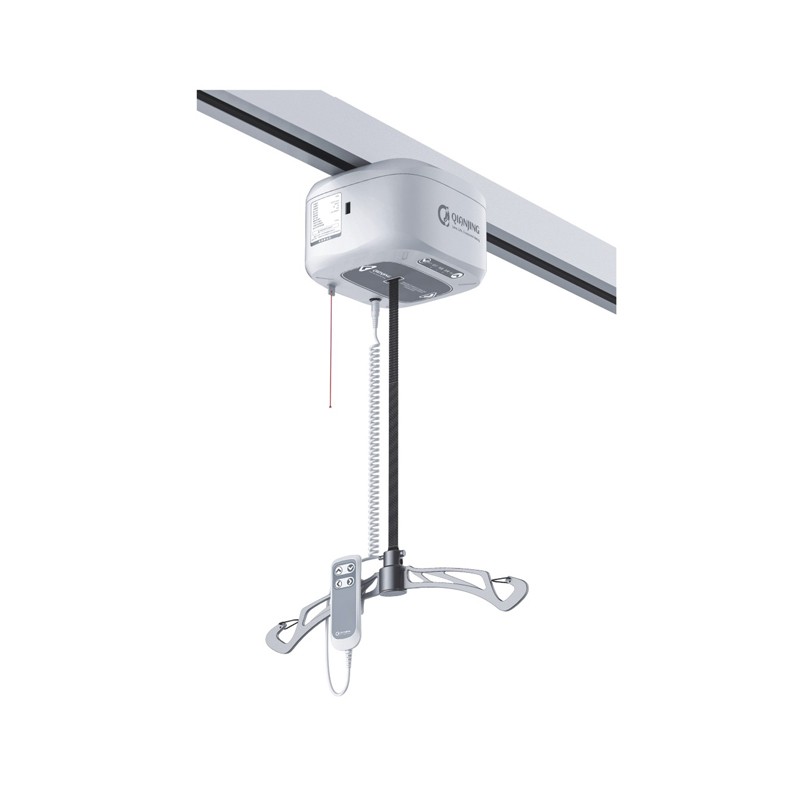
Ceiling track hoists have three main jobs in healthcare. They help with moving patients, changing their position in bed, and rehabilitation. These groups cover most daily care needs.
A ceiling hoist is a flexible choice that lets you lift, reposition, weigh, or help the user onto a toilet.
Knowing these uses for ceiling track hoists helps you pick the right equipment.
Versatile Uses of Ceiling Track Hoists in Daily Care
You can use ceiling track lifts for many daily tasks. Morning routines get easier. You help with getting ready for bed without heavy lifting. Bathroom visits, personal hygiene, and dressing all get simpler. The uses of ceiling track hoists also include moving patients from bed to chair or to a wheelchair. You can use a ceiling track lift to help a patient stand or pivot.
The track system covers more than one area. It can run from the bedroom to the bathroom. This supports safe movement between locations. You can adjust the system for different settings. This includes bathrooms, living rooms, and other spaces. The track does not get in the way. It lowers the risk of trips and falls in home or care environments. Ceiling lifts help you keep a smooth daily schedule.
Improving Safety and Efficiency in Patient Handling
Think about the choice between fixed ceiling lifts vs. mobile floor lifts. Fixed systems stay out of the way. They give a safe and efficient way to transfer individuals. They also offer better weight support during transfers. Time savings are big with an overhead hoist. A manual transfer takes up to 20 minutes. A ceiling track lift takes about 10 minutes. This lowers physical strain on your staff. The process is the same no matter the destination.
A motorized hoist helps you achieve safe and efficient patient handling. You make fewer manual adjustments.
Ceiling lifts save time because transfers are easier.
You improve safety for everyone involved. A ceiling lift lowers the risk of caregiver back injuries. It spreads weight evenly. The system gives consistent support every time.
Patient Transfers with Ceiling Track Lifts
Bed-to-Chair and Room-to-Room Transfers
Ceiling track lifts make moving patients between beds, chairs, and wheelchairs simple and safe. You attach a sling, connect it to the motorized unit, and guide the person with a handset. The motor does the heavy work. This protects your back and keeps the patient stable. Studies show ceiling lifts reduce caregiver injury risks and physical strain compared with manual handling. Caregivers also report lower physical strain during transfers.
Rail design shapes how far you can travel. Track designs can connect multiple areas, such as the bedroom to the bathroom, for smooth room-to-room transfers across a whole home or facility. You gain continuous movement instead of stopping to switch equipment. A ceiling track lift system can cover multiple rooms from one system.
Bathroom and Hygiene Area Transfers
Bathrooms create real hazards for manual patient handling. Tight spaces, wet floors, and awkward angles raise the risk of falls and strain. A ceiling track lift system removes floor equipment and keeps the path clear. You control the lift smoothly, so the person moves without jerking or swinging. This protects both of you during every transfer.
Dignity matters here too. Hygiene slings work for toileting, and mesh slings suit shower use. These options keep the person covered and comfortable. A ceiling lift gives you one solution for toileting, bathing, and showering. The person stays secure and private throughout. You avoid the awkward manual lifts that cause embarrassment and injury. With patient ceiling lifts in place, the bathroom becomes a safer, calmer space for daily care.
Repositioning and Hygiene Using Ceiling Track Hoists
In-Bed Rotation and Pressure Relief
Moving a patient in bed is one of the hardest daily tasks in care. You need to turn, slide, and adjust the person often. Manual effort causes friction and shear. These forces damage fragile skin and lead to pressure ulcers. Ceiling track hoists solve this problem. When you combine them with a sling and lift, you get smooth movement that reduces friction and shear. A single caregiver can then reposition patients in bed without manual effort. The lift does the work. This setup helps prevent pressure ulcers.
Safety features add another layer of protection. Emergency cord, emergency stop, and emergency manual lowering detect unsafe conditions. Emergency lowering gives you a safe response. Battery level monitoring alerts you to low battery, preventing mid-transfer power loss. Emergency stop and manual controls keep operation within safe boundaries. These features directly support safer repositioning.
Toileting and Bathing Assistance
Bathroom transfers for toileting, bathing, and showering are among the most challenging tasks. Small, slippery spaces demand close support. A ceiling track lift can assist with transfers to the toilet or shower chair when the bathroom layout permits. This reduces physical strain and awkward manual handling. Planning must account for privacy, caregiver access, and fixture placement. A good plan ensures the lift supports dignified toileting rather than exposing the patient. Some slings are designed for seated transfers and toileting access. These slings support both privacy and comfort.
Transfers are emotional as well as physical. Patients often feel nervous, embarrassed, or like a burden when lifted manually by a loved one. A patient lift makes transfers more predictable and calmer. The person is properly supported in a sling, and the caregiver follows a consistent routine. Comfort depends on proper sling selection, correct positioning, and a lift system matched to the person's needs. A ceiling track lift makes care less disruptive because the track is already installed. Equipment is ready without bringing in a bulky lift each time. With ceiling lifts in place, the bathroom becomes a safer, calmer space for daily care.
Rehabilitation Uses of Ceiling Track Hoists in Healthcare
Gait Training and Walking Support
Ceiling track hoists can do more than just move patients. These systems also help with gait training, balance exercises, and building strength. Overhead tracking lets therapists hold patients safely while they practice walking. This lowers fear and helps patients feel more confident. A patient who feels safe will try harder exercises.
The uses of ceiling track hoists in healthcare now include walking with weight support. You connect a harness to a motorized trolley. The system takes away part of the patient's body weight. This creates a safe space for balance work. Patients stand up straighter instead of leaning to one side. They trust the machine to hold them, not a therapist's hands. This makes treatment more accurate.
Clinical studies back up this approach, showing that ceiling lifts with weight support can improve gait and balance. Installing ceiling lifts reduces caregiver back injuries by up to 95%. This leads to fewer staff injuries and workers' compensation claims.
Rehabilitative Support with Modern Ceiling Track Systems
Ceiling track hoists can also support gait training and help build muscle strength and balance in non-ambulant patients. They are used in hospitals, rehabilitation centers, and elderly care facilities. Safety features such as emergency stop, emergency manual lowering, and low battery indicators ensure safe operation.
Ceiling track hoists improve patient care in four main ways. They help move patients between beds, chairs, and bathrooms. They assist with changing positions and relieving pressure in bed. They help with hygiene tasks like using the toilet and bathing. They also support rehabilitation through gait training and weight support.
Modern ceiling track lifts can combine these jobs in one system, offering support for both transfer and rehabilitation tasks.
Think about how flexible these systems are for your facility. Ceiling lifts protect patients and reduce caregiver strain. Ceiling lifts save time on every shift. Consider a ceiling track lift to improve outcomes for everyone in your care.
FAQ
What settings benefit most from ceiling track lifts?
Hospitals, nursing homes, rehabilitation centers, and private homes all gain from these systems. They fit any place where you need to move patients safely. Small bathrooms, bedrooms, and therapy areas all work well. The track stays overhead and out of the way.
How does a ceiling track lift reduce caregiver injuries?
A ceiling track lift does the heavy work for you. The motor carries the patient's weight. You guide the movement with a handset. This reduces caregiver injury risks. Studies show ceiling lifts reduce caregiver back injuries by up to 95%.
Can ceiling lifts help with rehabilitation?
Yes. Ceiling lifts help with gait training and balance exercises. You attach a harness to the motorized trolley. The system takes away part of the patient's body weight. This makes a safe space for walking practice. Patients build confidence and strength.
What safety features should you look for?
Look for safety features such as emergency stop, emergency manual lowering, and low battery indicators. Emergency lowering gives you a safe response. Battery monitoring helps you manage the hoist's condition.
Do ceiling lifts work in small bathrooms?
Yes, with good planning. The track stays overhead and keeps the floor clear. You avoid bulky floor equipment. Hygiene slings work for toileting, and mesh slings suit shower use. Plan for privacy, caregiver access, and fixture placement.
Please Contact Us!
Recent News
1.Best Ceiling Hoist Systems for Elderly Rehabilitation and Care
2026-09-222.Best Ceiling Lifts for Elderly with Limited Mobility in 2026
2026-09-043.Overhead Ceiling Track Hoist Guide 2026
2026-09-104.Top 10 Rehabilitation Equipment Manufacturers in China 2026
2026-08-115.How to Choose a Reliable Active Passive Trainer Manufacturer for Rehabilitation Equipment Procurement
2026-07-146.Top 10 overhead ceiling lifts manufacturers in China 2026
2026-06-26

